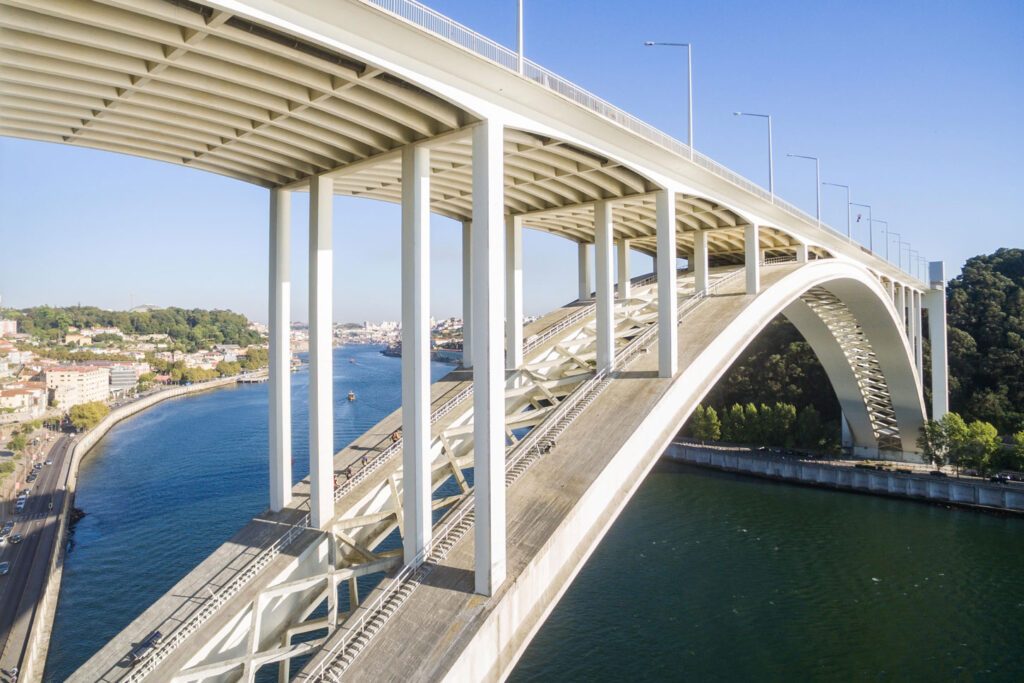
Ponte da Arrábida
Completed in 1963, this arch bridge held the record for the largest concrete arch span in the world at the time of its construction.
View from the front deck to observe the scale of the arch.
Six bridges, one narrow gorge, and a loop that turns Porto's waterfront into a moving cross-section of two centuries of engineering. This 6 bridges cruise porto route guide maps the path the traditional rabelo-style boats follow between Ribeira and the river mouth. It explains what appears on each bank, and when the light works in your favour.
Quick answer
The standard route is a 50-minute loop from Ribeira Pier, upstream and downstream through the Douro gorge, passing all six bridges: Dom Luís I, Infante Dom Henrique, Maria Pia, São João, Freixo and Arrábida. Departures run between 10:00 and 18:00 daily. The order reverses depending on which direction your boat leaves the pier first.
Maria Pia Bridge has carried no trains since 1991. It still stands, arch intact, three decades into retirement, because Porto decided a Gustave Eiffel company design was worth keeping even once it had nothing left to do. Passengers on the water pass directly beneath it and rarely realise the span above them is a monument rather than a working railway. That detail captures something about the Douro in Porto: the river is lined with infrastructure that has outlived its original purpose and become scenery instead. The 6 bridges cruise porto route works because the geography is unusually tight. Between Ribeira and the Arrábida, the Douro runs through a steep-sided gorge barely a few hundred metres wide, which is precisely why engineers kept choosing this stretch to cross. Six crossings sit within roughly five kilometres of water, close enough that a short loop can take in all of them without rushing. The boats leave from Cais da Ribeira, 4050-513 Porto, Portugal, drift upstream past the double-deck Dom Luís I and the concrete Infante Dom Henrique, continue beneath the twin railway arches of Maria Pia and São João, turn before the modern Freixo, then run back downstream towards the single great span of the Arrábida. Gaia's port lodges fill the south bank with painted names — the terraced quintas, the cellars, the moored rabelo boats that once carried barrels down from the Alto Douro. The north bank gives the Ribeira facades, the Sé rising behind them, and the funicular track climbing to Batalha. A Douro river bridges tour is, in effect, an architectural timeline read from below, running from 1877 to 1963 to 1995. Seating decides what the trip looks like. Upper decks give clear sightlines to the deck-level walkway of the Dom Luís I and the metro trams crossing it; lower decks sit closer to the water and the hulls of passing vessels. Those who care about photographs tend to favour the starboard side on departure, since the Gaia bank catches afternoon light while the Ribeira side falls into shadow. Audio commentary is typically multilingual and plays in sequence, which means the narration for one bridge sometimes arrives as the boat clears the next. Reading the running order beforehand solves that. Autumn sailings have an advantage worth noting in October: lower sun, thinner haze over the river mouth, and far shorter queues on the quay than July delivers. Treat this 6 bridges cruise porto route guide as the frame rather than the schedule. The sequence of Porto landmarks on the water is fixed, the direction of travel is not, and the cruzeiro das seis pontes is best understood as a loop with two possible beginnings. Knowing which bridges belong to the railways, which belongs to Edgar Cardoso, and which carries the metro turns fifty minutes of sightseeing into something closer to a reading of the city. The dedicated sections on this page break down the itinerary stop by stop, identify each span in detail, and cover arrival logistics and the daily timing windows that matter most.
“The Douro in Porto is lined with infrastructure that has outlived its original purpose and become scenery instead.”
This plan suits first-time visitors who want to understand the shape of the 50-minute route before boarding at Cais da Ribeira. Allow around 75 minutes in total, counting the short wait at the pier and the walk back up to the quayside.
Join the queue on the quay at Cais da Ribeira and take a seat on the open upper deck for clearer sightlines. Expect 10 to 15 minutes between joining the line and casting off.
The boat pulls away from the Ribeira wall and passes beneath the double-deck Ponte Luís I, with the Serra do Pilar monastery above the Gaia bank. Sit on the right-hand side for the Gaia rabelo boats and cellar signage.
Continuing downstream, the route passes the Ponte da Arrábida, the widest single concrete arch on the river and the furthest point towards the Atlantic. The boat turns here, so both sides of the deck get the same view before the return leg.
The return leg runs along the Vila Nova de Gaia bank, passing under Luís I a second time and then the Infante D. Henrique arch. Commentary is usually short, so watch the banks rather than listening for every detail.
The boat carries on past the Maria Pia and São João rail bridges towards the Ponte do Freixo, the eastern limit of the circuit, then turns back. This stretch is quieter, with warehouses and granite embankments instead of crowds.
The final approach brings you back to the Ribeira waterfront, where disembarking takes a few minutes as passengers file along the gangway. Steps up from the pier are uneven, so take them slowly.
The six bridges cruise provides a comprehensive view of the architectural evolution spanning the Douro River, connecting Porto and Vila Nova de Gaia. Each structure offers a unique perspective on the region's industrial and engineering history.
Completed in 1963, this arch bridge held the record for the largest concrete arch span in the world at the time of its construction.
View from the front deck to observe the scale of the arch.
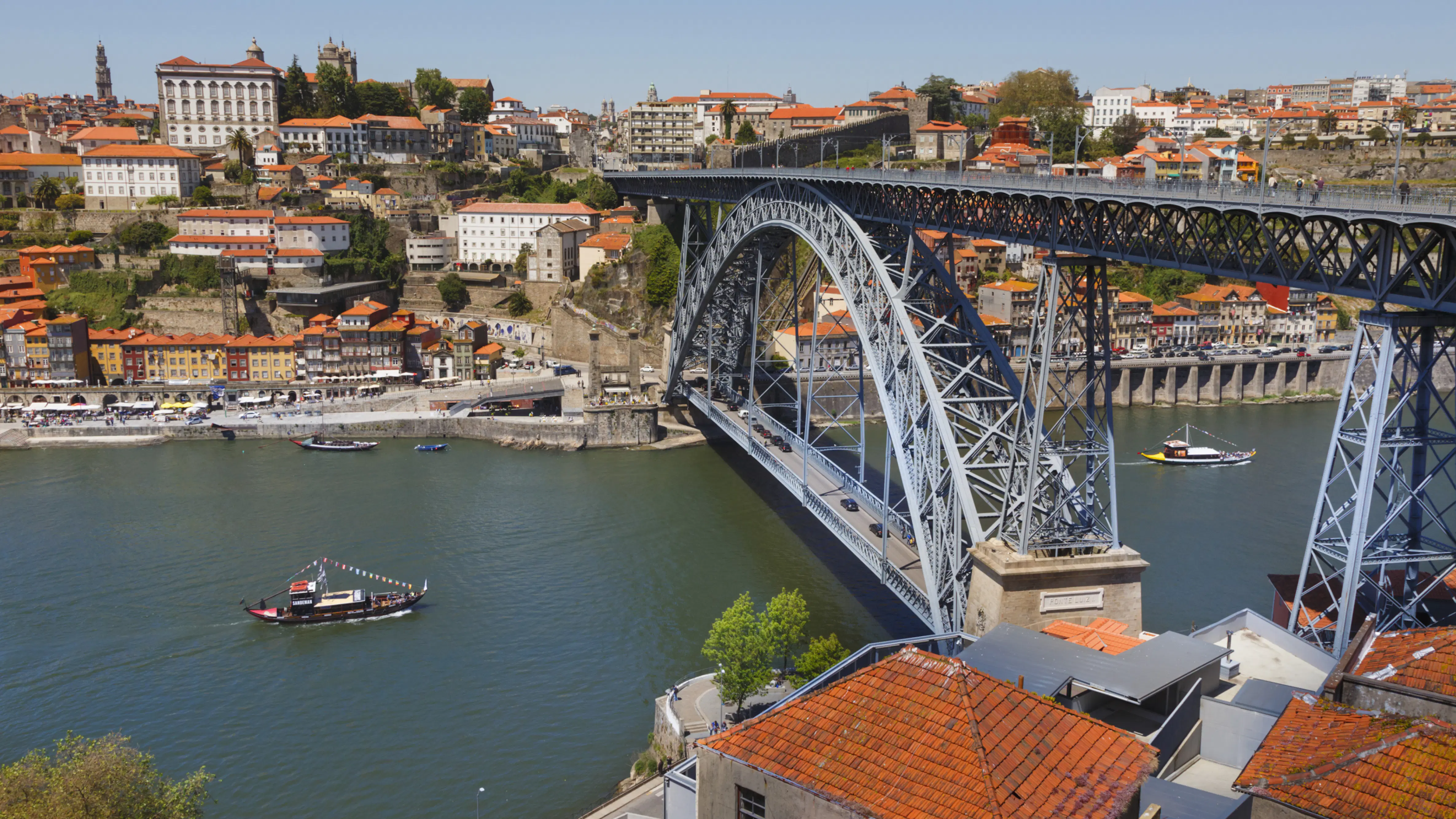
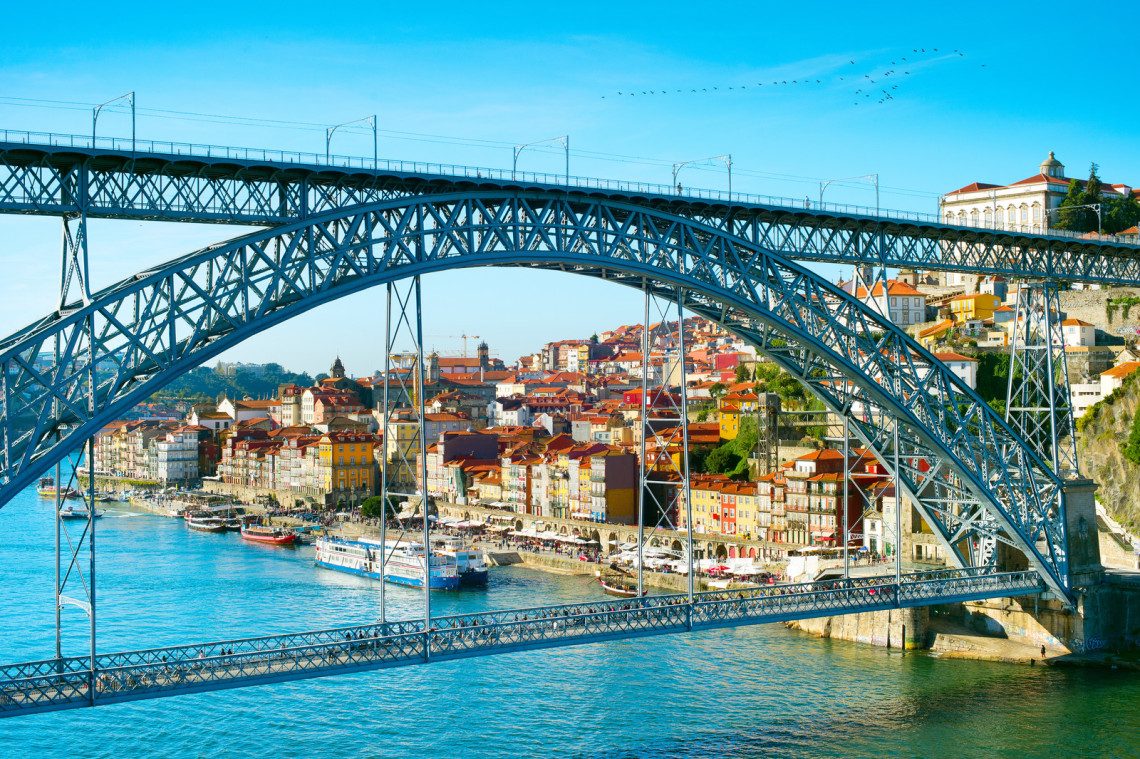
Designed by a student of Gustave Eiffel, this iconic double-deck metal arch bridge connects the historic centers of both cities.
Look upward from the water to see the intricate iron lattice work.
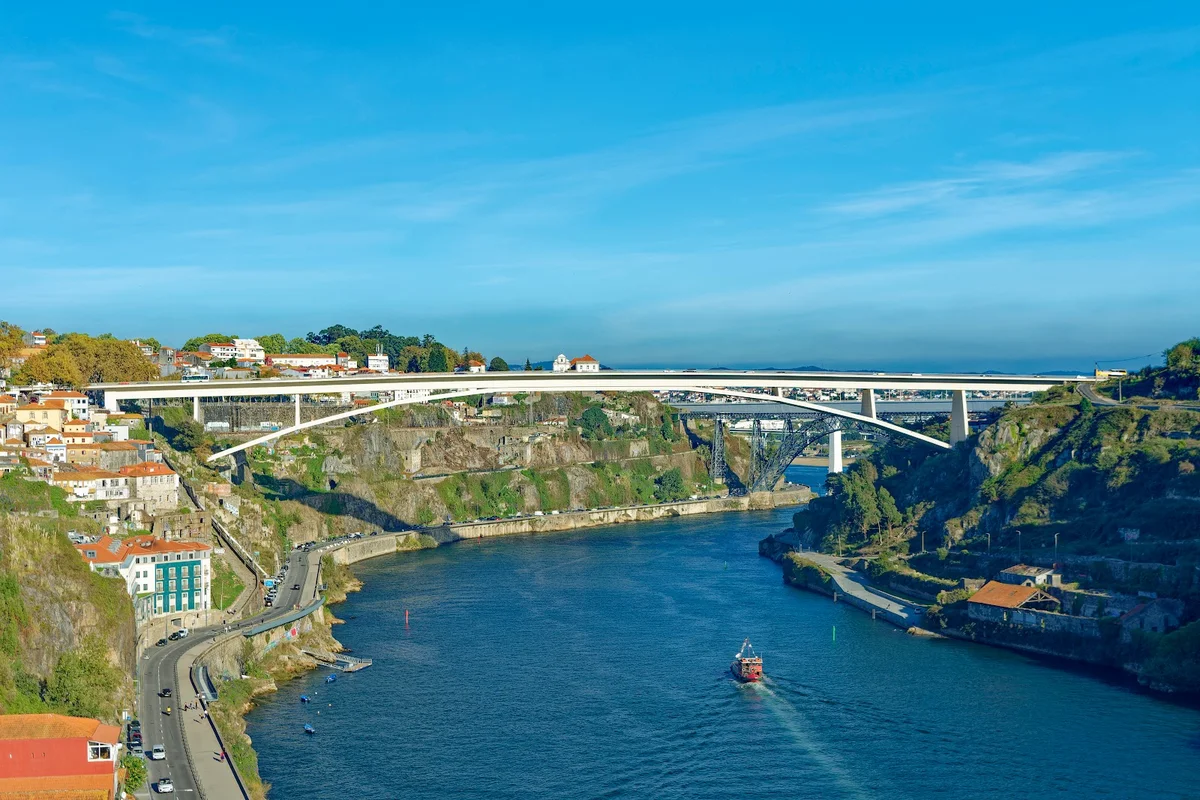
The most recent bridge on the route, it features a slender, elegant design that serves as a modern contrast to the older structures.
Photograph the bridge from directly underneath for a symmetrical perspective.
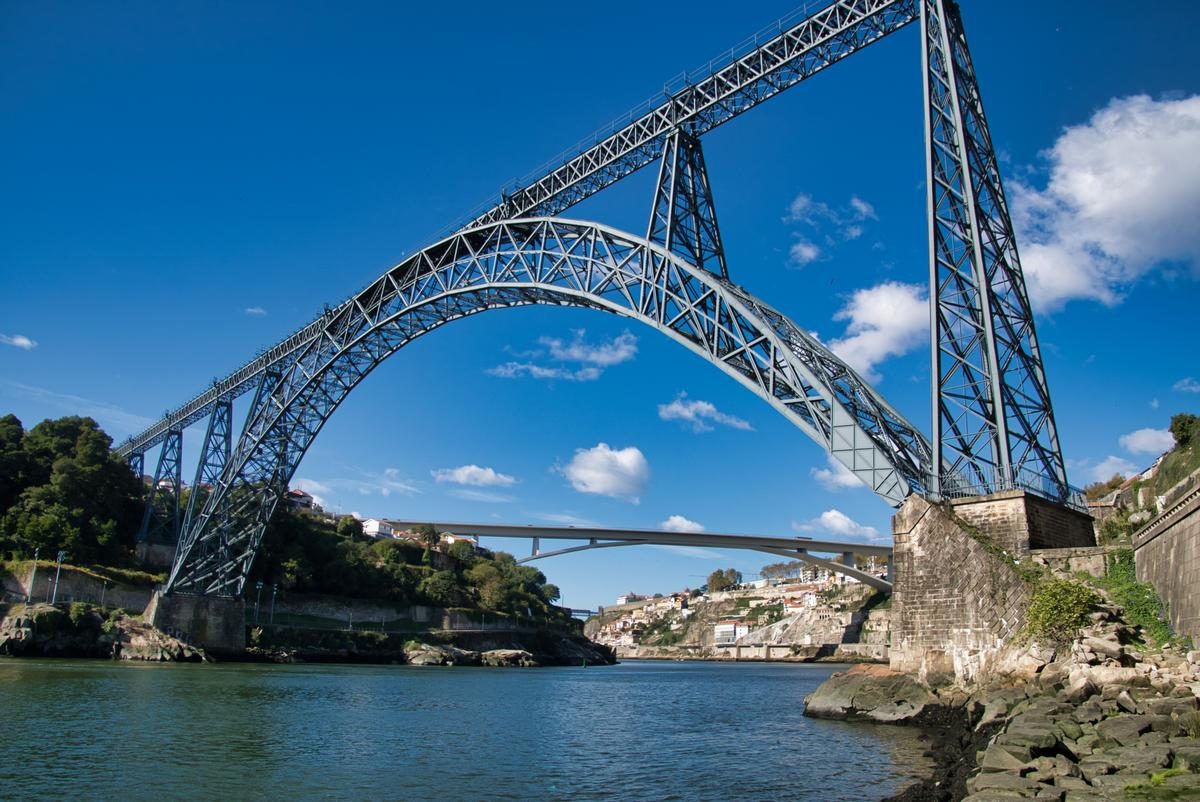
This railway bridge was designed by Gustave Eiffel and served as the first rail link connecting Porto to the south.
Observe the historic riveted metal structure from a distance.
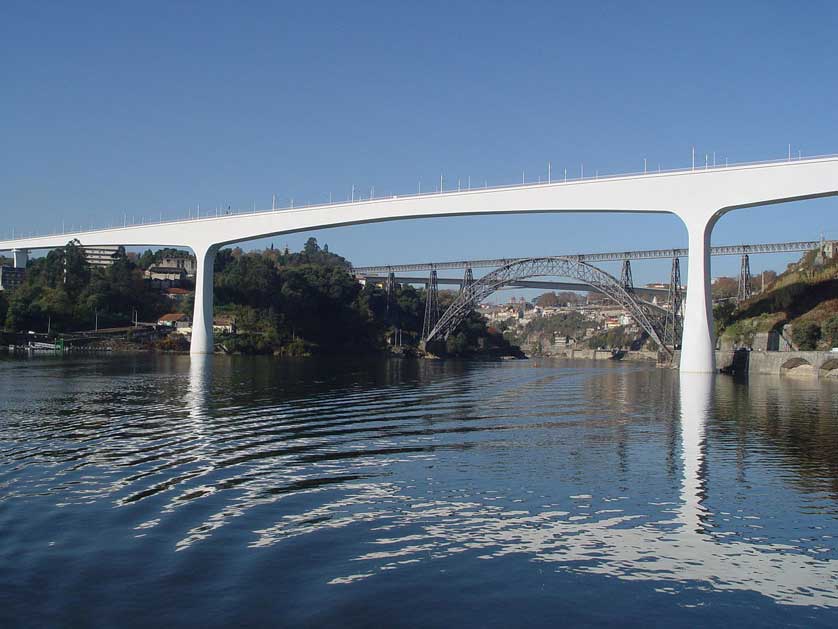
A concrete railway bridge built to replace the aging Maria Pia, it is known for its rigid, functional aesthetic.
Notice the contrast between its concrete beams and the nearby iron bridges.
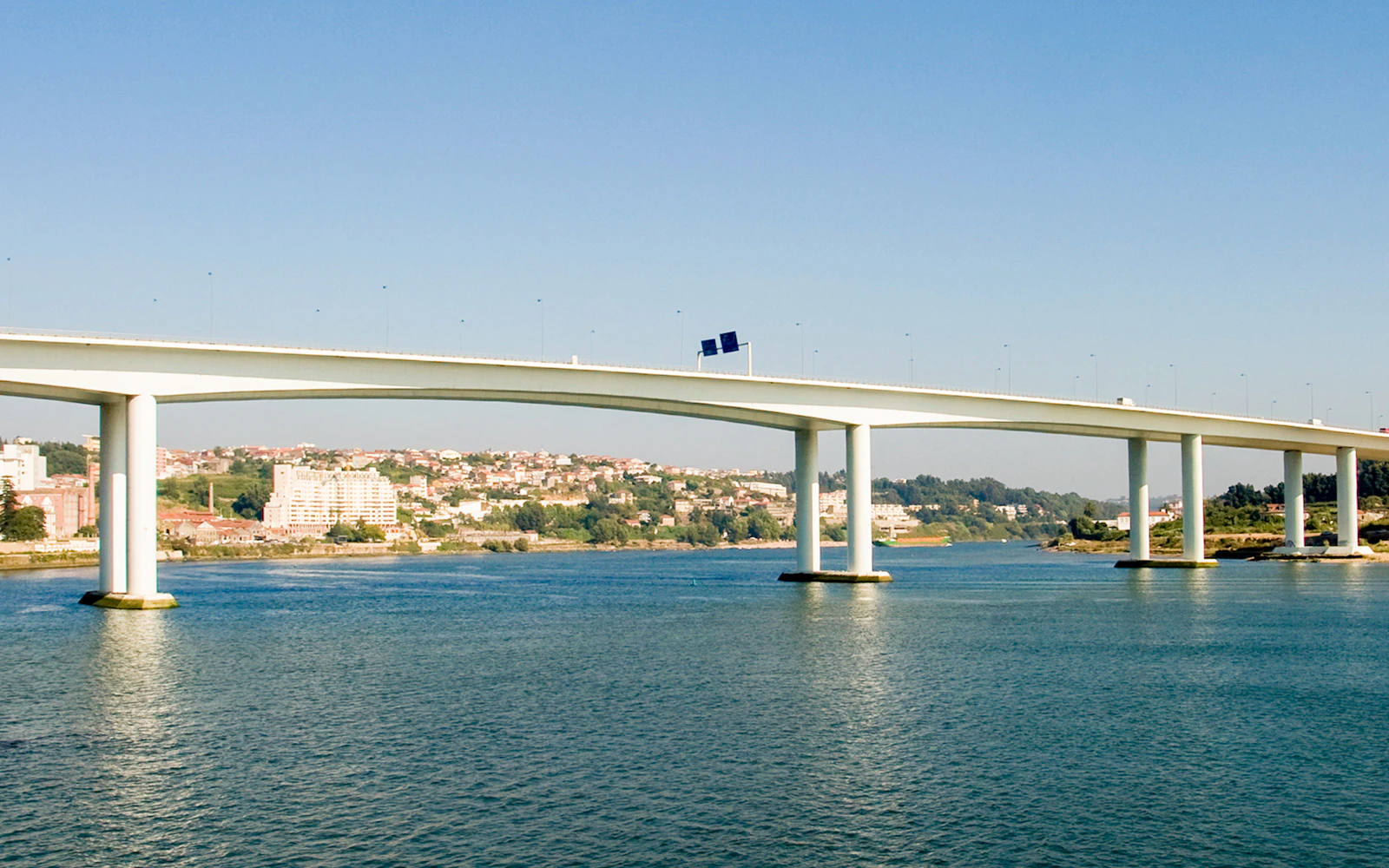
Located at the easternmost point of the cruise, this bridge consists of two parallel structures connected by a central deck.
Check the cruise path timing to capture the morning light on the steel.
The 6 Bridges Cruise operates daily from the Cais da Ribeira. Departures are available consistently throughout the week.
The cruise departs from Cais da Ribeira, located along the Douro River in the historic center of Porto. The area is best accessed on foot due to the narrow streets of the Ribeira district.
Line D (Yellow) to São Bento Station
Line 900 or 901 to Ribeira stop
Drop off at Largo do Terreiro or nearby access points
For the most relaxed boarding experience, plan to arrive within the recommended window of 10:00–17:30 to avoid peak crowds.
Everything you need to know about 6 bridges cruise porto route
The cruise takes you along the Douro River to view the iconic structures connecting Porto and Gaia, such as the Dom Luís I and Arrábida bridges. This traditional navigation provides a unique perspective on the riverside architecture and regional history.
The standard experience is a 50-minute cruise starting and ending at Ribeira Pier. This duration allows for a full transit of the waterway without feeling rushed.
Yes, standard adult tickets for the cruise are available for 20 EUR. You can head to the official operator location at Cais da Ribeira to manage your booking.
To ensure a smooth experience, visitors should arrive between 10:00 and 17:30. This window helps you avoid the heat and the peak afternoon crowds common at the pier.
The experience is safe and accessible for families. Children can enjoy the boat ride and the scenic views of the riverside landmarks from the water.
If you arrive outside the standard operating hours of 10:00 to 18:00, you will be unable to board the vessels. Please plan your visit during the designated daily schedule to ensure access.